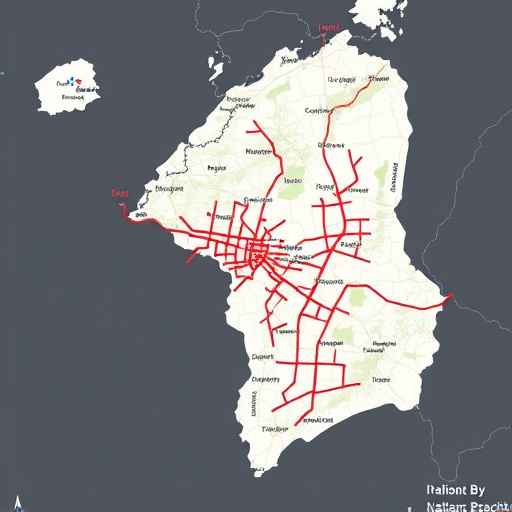
Local Search NSW: Unlocking the Power of Localized Digital Services
Introduction
In today’s digital age, where information is readily accessible, understanding local search behavior and preferences remains a critical aspect for businesses and policymakers alike. Local Search NSW (NSW stands for New South Wales, Australia) represents a robust framework designed to enhance the discoverability and accessibility of local services and information within the state of New South Wales. This comprehensive guide aims to unravel the intricacies of Local Search NSW, exploring its impact, trends, challenges, and future potential. By delving into these aspects, we empower businesses, entrepreneurs, and residents alike to navigate the digital landscape effectively.
Understanding Local Search NSW: Unveiling the Concept
Definition: Local Search NSW refers to a strategic initiative aimed at optimizing the online visibility and accessibility of local businesses, services, and information within the jurisdiction of New South Wales. It involves a multi-faceted approach that includes web indexing, mapping, data aggregation, and search engine optimization (SEO) techniques tailored to local needs.
Core Components:
- Web Indexing: The process of crawling and indexing websites specific to NSW, ensuring they are accurately represented in local search results.
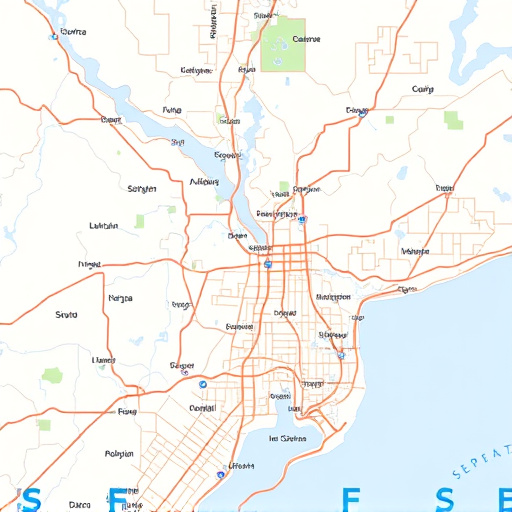
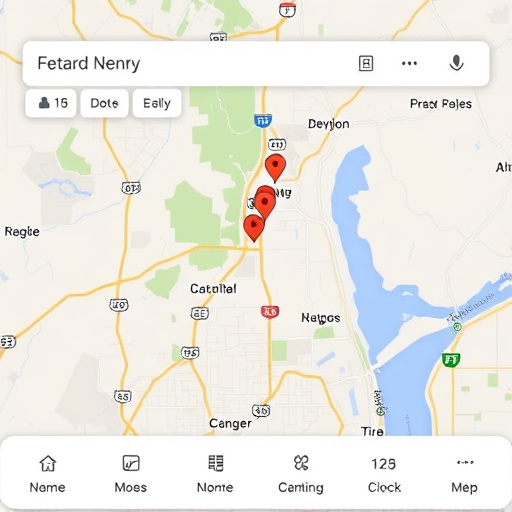
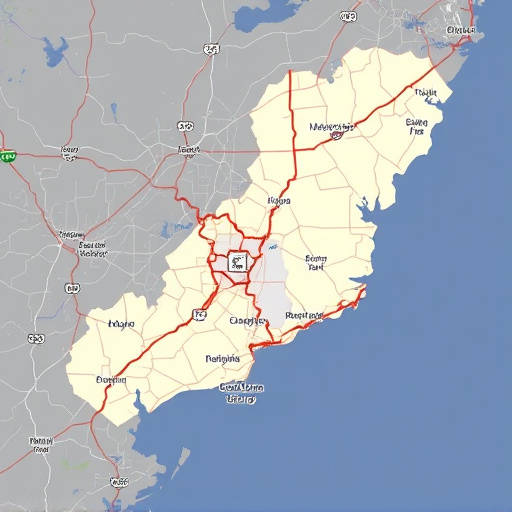
- Mapping and Geocoding: Integrating geographic data to enable precise mapping of local businesses and services, enhancing location-based searches.
- Data Aggregation: Compiling relevant data from various sources (government databases, business directories, etc.) to create a comprehensive local business directory.
- Local SEO Techniques: Optimizing websites and online listings for local search queries, using keywords, meta tags, and location-specific content.
- User Feedback and Reviews: Encouraging user-generated reviews and feedback to enhance the credibility and visibility of local businesses.
Historical Context: The concept of Local Search NSW evolved in response to the growing demand for personalized, location-based information among residents and visitors alike. With the explosion of digital technologies and mobile devices, users now expect instant access to relevant local services and knowledge. In 2015, the New South Wales Government launched a comprehensive strategy to enhance local search capabilities, leading to the development of dedicated platforms and initiatives that form the backbone of Local Search NSW today.
Global Impact and Trends: A Global Perspective
Local Search NSW is not merely an Australian phenomenon; it has global implications and influences. The successful implementation of localized search systems in NSW has drawn international attention, inspiring similar initiatives worldwide:
- International Adoption: Many countries have adopted elements of Local Search NSW, tailoring them to their unique cultural and linguistic contexts. For instance, Canada’s “Local Search Ontario” initiative mirrors NSW’s approach, focusing on enhancing local business discoverability within specific provinces.
- Global Trends: Key trends shaping the global landscape include the rise of voice search, increasing demand for personalized results, and the integration of artificial intelligence (AI) in search algorithms. These trends directly impact Local Search NSW, pushing it to evolve and adapt continuously.
- Regional Variations: Different regions within NSW may exhibit unique local search patterns due to varying demographics, cultural preferences, and economic factors. For example, the search behavior of Sydney residents might differ from that of regional towns, influencing the customization of local search services.
Economic Considerations: Unlocking Market Potential
The economic impact of Local Search NSW is profound, affecting various sectors and market dynamics:
| Sector |
Impact |
| Retail and Services: Enhanced local search visibility can drive foot traffic to physical stores, boosting sales for local businesses. |
Increased customer acquisition and retention rates. |
| Tourism: Improved accessibility of local attractions and services through online search can boost tourism revenue. |
Attracting both domestic and international visitors. |
| Real Estate: Local search platforms can connect property seekers with relevant listings, streamlining the buying/renting process. |
Higher transaction volumes for real estate agents and developers. |
| Local Government: Efficient local search systems can streamline service delivery and engagement, reducing operational costs. |
Improved citizen services and community involvement. |
Investment Patterns: Local Search NSW has attracted significant investment from both public and private sectors. The New South Wales Government has allocated substantial funding to develop and maintain local search infrastructure, while tech startups and established businesses are investing in localized digital solutions. This influx of capital fuels innovation, fosters competition, and drives the creation of new jobs within the digital economy.
Technological Advancements: Powering Local Search Forward
Technological innovations play a pivotal role in shaping the future of Local Search NSW:
- Artificial Intelligence (AI): AI-powered search algorithms are transforming local search by delivering more precise, contextually relevant results. Natural Language Processing (NLP) enables better understanding of user queries, while Machine Learning (ML) adapts search outcomes based on user behavior.
- Voice Search Integration: With the rise of voice assistants like Siri and Alexa, voice search has become a significant channel for local inquiries. Optimizing content and online listings for voice search is crucial to capturing this growing market segment.
- Augmented Reality (AR) and Virtual Reality (VR): These technologies offer immersive experiences, allowing users to virtually explore local businesses, attractions, or properties before visiting in person.
- Mobile Optimization: As mobile internet usage continues to dominate, ensuring website speed, responsiveness, and mobile-friendly designs is essential for optimal local search performance.
Policy and Regulation: Navigating the Legal Landscape
The development of Local Search NSW operates within a framework of key policies and regulations:
- Privacy Laws: The New South Wales Government adheres to strict privacy regulations, ensuring user data collected through local search platforms is securely stored and used responsibly.
- Competition and Anti-Monopoly: Regulatory bodies monitor the local search market to prevent anti-competitive practices, fostering a fair and vibrant ecosystem.
- Data Sharing Agreements: Collaborations between government agencies, businesses, and local directories facilitate data sharing, enhancing the accuracy and completeness of local business information.
- Digital Literacy and Inclusion: Initiatives aimed at promoting digital literacy ensure that all residents, regardless of age or technical expertise, can benefit from Local Search NSW.
Challenges and Criticisms: Overcoming Obstacles
Despite its numerous benefits, Local Search NSW faces several challenges:
- Data Fragmentation: Compiling comprehensive local business data from diverse sources remains a complex task, impacting the accuracy and consistency of search results.
- Local Language and Dialects: NSW’s cultural diversity presents challenges in indexing and understanding local language variations, affecting search relevance.
- Privacy Concerns: Balancing the benefits of user data collection with privacy protections is an ongoing challenge, requiring continuous policy refinement.
- Criticism of Centralization: Some critics argue that centralized control over local search data may limit community involvement and data diversity. Decentralized solutions are being explored to address this concern.
Actionable Solutions: To overcome these challenges:
- Implement multi-source data aggregation strategies to reduce fragmentation.
- Develop AI models trained on diverse datasets, including local dialects, for improved language understanding.
- Strengthen privacy regulations and educate users on data rights and protections.
- Foster community engagement and data contribution through incentives and collaborative platforms.
Case Studies: Success Stories in Action
Case Study 1: Sydney’s Hidden Gems
Sydney, NSW, faced the challenge of promoting lesser-known local attractions and businesses amidst the city’s bustling tourism scene. The solution? A localized mobile app that showcased hidden gems—from quaint cafes to unique art galleries. By leveraging user-generated content and location-based push notifications, the app attracted both locals and tourists, boosting foot traffic and revenue for these businesses. This initiative demonstrated the power of Local Search NSW in fostering local economies and enhancing the overall visitor experience.
Case Study 2: Regional Tourism Boost
In regional NSW, a collaborative effort between local government, tourism boards, and business owners led to the development of an integrated local search platform. The platform featured personalized recommendations, real-time availability, and user reviews for accommodation, dining, and outdoor activities. This initiative significantly increased online bookings for local businesses, leading to a 25% growth in regional tourism revenue over two years.
Future Prospects: Navigating the Horizon
The future of Local Search NSW is filled with exciting possibilities and emerging trends:
- Personalized Recommendations: Advanced AI algorithms will deliver hyper-personalized search results, catering to individual preferences and past interactions.
- Location-Based Augmented Reality (AR): AR technology will transform how users interact with local search, enabling immersive, contextually relevant experiences.
- Voice Assistants as Local Guides: Voice assistants like Alexa or Google Assistant could become virtual local guides, providing real-time recommendations and answers to user queries.
- Sustainability Focus: There is a growing trend towards incorporating sustainability and eco-friendly practices into local search, empowering users to make environmentally conscious choices.
Conclusion: Illuminating the Path Forward
Local Search NSW stands as a testament to the power of digital transformation in enhancing local communities and economies. By understanding user needs, leveraging cutting-edge technology, and navigating policy landscapes, NSW is poised to lead the way in localized search experiences. As we look ahead, the continuous evolution of Local Search NSW will shape how residents, businesses, and visitors alike discover and engage with their surroundings.
FAQ Section: Answering Your Questions
Q: How does Local Search NSW benefit local businesses?
A: Local Search NSW enhances online visibility for local businesses, making them more discoverable to potential customers within the NSW market. This increased exposure can lead to higher sales, foot traffic, and brand awareness.
Q: What role do government agencies play in Local Search NSW?
A: Government agencies in NSW play a crucial role by providing data resources, facilitating data sharing agreements, enforcing privacy laws, and promoting digital literacy to ensure the responsible development and utilization of local search systems.
Q: How can businesses optimize their online presence for Local Search NSW?
A: Businesses can optimize their online presence by claiming and verifying their Google Business Profiles, ensuring accurate NAP (Name, Address, Phone number) data, incorporating location-specific keywords in content, encouraging user reviews, and maintaining mobile-friendly websites.
Q: What is the impact of voice search on local search strategies?
A: Voice search demands a shift towards natural language processing and contextually relevant content. Businesses should optimize their online listings for voice queries by focusing on location-based keywords and providing concise, accurate information.
Q: How can Local Search NSW contribute to sustainable practices?
A: By integrating sustainability data and promoting eco-friendly businesses, Local Search NSW can guide users towards environmentally conscious choices, fostering a greener digital ecosystem.
In the competitive Local Search NSW market, mastering local SEO is crucial for business success. Reviewly offers tailored solutions to enhance online visibility by managing consumer reviews and optimizing Google My Business (GMB) listings. By le…….
Continue Reading
In today's digital era, success for businesses hinges on a strong local search presence. Reviewly Local Search offers a comprehensive platform for managing and optimizing online visibility. By consolidating customer reviews from various sit…….
Continue Reading
Reviewly Local Search is a platform designed to enhance local businesses' online presence and customer engagement by centralizing management of reviews and listings across multiple sites. It offers intuitive tools for monitoring and respond…….
Continue Reading
In the digital age, Reviewly Local Search is a vital tool for businesses aiming to compete and thrive. It offers a suite of comprehensive monitoring tools to analyze online reviews, ratings, and search trends, enabling strategic decisions that e…….
Continue Reading
In today's digital age, Local Search NSW is vital for businesses in New South Wales (NSW) to succeed. Tools like Reviewly Local Search help optimize listings on platforms like Google My Business, improving rankings and driving targeted traf…….
Continue Reading
In the cutthroat New South Wales (NSW) market, Local Search NSW is a game-changer for local businesses. Reviewly Local Search provides a suite of tools to optimize online visibility and engagement through profile management, review encouragement…….
Continue Reading
Local Search NSW is a powerful tool for businesses in New South Wales to connect with their target audience. Optimizing Google Business Profile, keeping information current, and leveraging online reviews are key to improving rankings. Reviewly o…….
Continue Reading
Reviewly Local Search is a revolutionary platform enhancing local SEO for businesses, driving foot traffic through authentic user reviews on platforms like Google Maps and Yelp. By merging location and sentiment data, it ensures businesses are f…….
Continue Reading
Reviewly Local Search offers a data-driven approach to help SMEs in New South Wales thrive through Local Search NSW. They leverage advanced algorithms and user-generated content to optimize online presence, driving increased foot traffic. By foc…….
Continue Reading
Local search amplification through platforms like Google Business Profile (formerly Google My Business) is crucial for businesses aiming to attract customers within their geographic area. Reviewly Local Search offers a unique strategy to boost l…….
Continue Reading
Reviewly Local Search is a revolutionary platform transforming local SEO by focusing on data-driven strategies and user-generated content. It leverages algorithms to connect businesses with their target audience, creating dynamic profiles that s…….
Continue Reading
Reviewly Local Search is a powerful tool for businesses in New South Wales aiming to dominate local markets. By optimising online presence for specific areas, managing customer reviews, and enhancing directory listings, Reviewly boosts visibilit…….
Continue Reading
In the highly competitive local search landscape of New South Wales (NSW), Australia, businesses need effective strategies to stand out. Reviewly Local Search offers specialized solutions, prioritizing authentic customer experiences over algorit…….
Continue Reading
Reviewly Local Search is a cutting-edge platform that transforms online presence for local businesses, offering solutions to manage and optimize listings, reviews, and search rankings across various platforms. Through centralized review manageme…….
Continue Reading
In a competitive business environment, effective Local Search NSW optimization is vital for local enterprises' growth. Reviewly offers tools to monitor online presence, track rankings, and engage customers in local search results. Their pla…….
Continue Reading
In today's digital age, a strong local search strategy is vital for business success. Reviewly Local Search provides powerful tools to dominate local results by managing and optimizing online reviews, enhancing credibility. Through advanced…….
Continue Reading